Differences Between Graphic Control Panels & Pneumatic Control Panels
Control panels play a crucial role in managing and operating machinery across a wide range of industries. They serve as the central hub where operators can monitor systems, make adjustments, and ensure everything runs efficiently. Among the many types available, graphic control panels and pneumatic control panels are commonly used, each offering unique features and advantages depending on the application.
What Are Graphic Control Panels?
Graphic control panels, often referred to as HMI (Human-Machine Interface) panels, are designed to provide visual interaction between the operator and the system. These panels use digital displays, touchscreens, and graphical interfaces to present real-time data, system status, and controls.
Key Features of Graphic Control Panels
- Interactive touchscreens or display interfaces
- Real-time system monitoring and diagnostics
- Visual representations of processes and workflows
- Easy customization and programming
- Integration with advanced automation systems
These panels are commonly used in modern, automated environments where precision, data tracking, and user-friendly interfaces are essential.
What Are Pneumatic Control Panels?
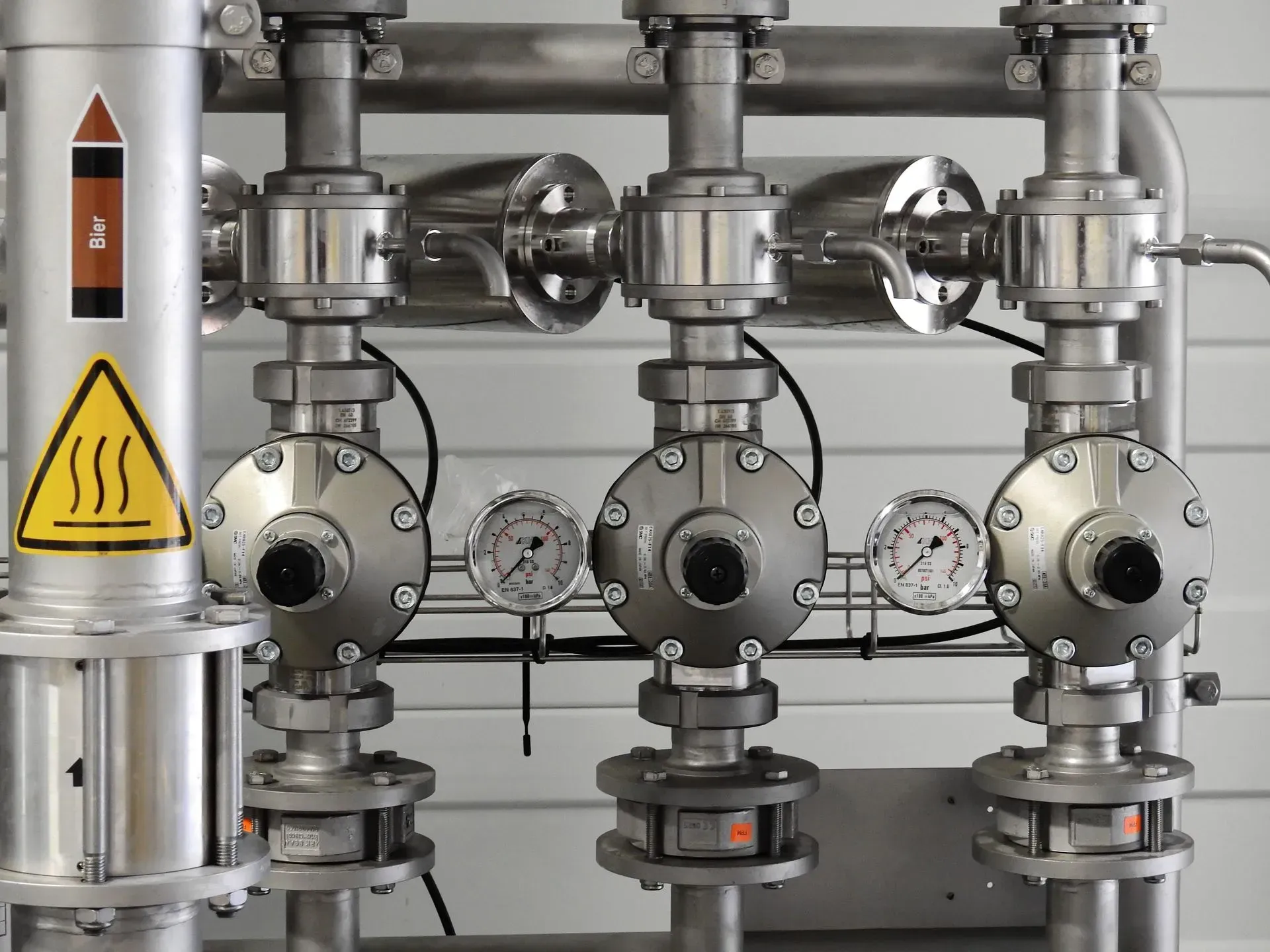
Pneumatic control panels operate using compressed air to control mechanical systems. Instead of relying on electronic interfaces, these panels use valves, regulators, and air pressure to manage operations.
Key Features of Pneumatic Control Panels
- Powered by compressed air rather than electricity
- Simple, durable mechanical components
- Reliable in harsh or hazardous environments
- Less dependent on electronic systems
- Ideal for applications requiring explosion-proof solutions
Pneumatic panels are often found in industries where electrical components may pose risks, such as chemical plants or environments with flammable materials.
Key Differences Between Graphic & Pneumatic Control Panels
Operation Method
- Graphic Panels: Use digital interfaces and electronic controls
- Pneumatic Panels: Use air pressure and mechanical components
User Interaction
- Graphic Panels: Highly interactive with visual displays and touch controls
- Pneumatic Panels: Manual or semi-automatic with limited visual feedback
Application Environment
- Graphic Panels: Best for controlled, modern industrial settings
- Pneumatic Panels: Ideal for rugged, hazardous, or explosion-prone environments
Complexity & Customization
- Graphic Panels: Highly customizable with software-based controls
- Pneumatic Panels: Simpler systems with limited but reliable functionality
Maintenance & Durability
- Graphic Panels: Require technical maintenance and software updates
- Pneumatic Panels: Generally easier to maintain with fewer electronic components
Choosing the Right Control Panel
Selecting between a graphic and pneumatic control panel depends on your operational needs, environment, and level of automation. If your system requires detailed monitoring, data analysis, and user-friendly controls, a graphic control panel may be the better choice. On the other hand, if reliability in extreme conditions and safety in hazardous environments are top priorities, pneumatic control panels offer a dependable solution.
Contact SE-MAR Electric Company, Inc. to Get Started
Both graphic and pneumatic control panels serve important roles in industrial operations, but they are designed for different purposes. If you're interested in learning more about these intricate systems, don't hesitate to contact one of the knowledgeable representatives at SE-MAR Electric Company, Inc. Our qualified team members are standing by to provide support!